Healthy Gums, Healthy Heart: Take care of your oral health to protect your heart!
Heart attack, also known as myocardial infarction, is a serious and potentially life-threatening condition that occurs when the blood supply to the heart is blocked, resulting in damage to the heart muscle. There are several risk factors that contribute to the development of heart disease, including smoking, high blood pressure, high cholesterol levels, obesity, and diabetes. However, recent studies have also shown a link between periodontal disease and an increased risk of heart attack.
Periodontal disease, also known as gum disease, is a chronic bacterial infection that affects the tissues surrounding and supporting the teeth. It is caused by the buildup of plaque and tartar on the teeth and gums, which can lead to inflammation, bleeding, and eventually tooth loss if left untreated. While the primary cause of periodontal disease is poor oral hygiene, other risk factors include genetics, smoking, and certain medical conditions such as diabetes.
Several studies have suggested that there is a link between periodontal disease and an increased risk of heart attack. One theory is that the bacteria that cause periodontal disease can enter the bloodstream through the gums and travel to the heart, where they can cause inflammation and damage to the blood vessels. This can lead to the formation of blood clots and an increased risk of heart attack.
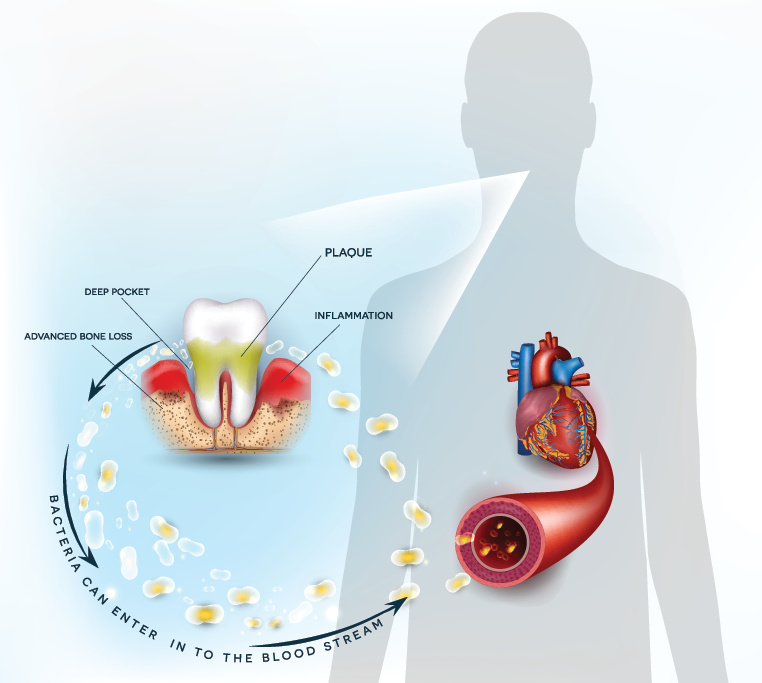
Another theory is that periodontal disease may contribute to the development of atherosclerosis, a condition in which plaque builds up inside the arteries and reduces blood flow to the heart. This can lead to chest pain, shortness of breath, and eventually a heart attack.
While more research is needed to fully understand the link between periodontal disease and heart attack, it is clear that maintaining good oral hygiene and seeking treatment for periodontal disease can help reduce the risk of heart disease. This includes brushing twice a day, flossing daily, and visiting the dentist regularly for cleanings and checkups.
Additionally, if you have a history of periodontal disease or other risk factors for heart disease, it is important to talk to your doctor about ways to reduce your risk. This may include lifestyle changes such as quitting smoking, eating a healthy diet, and exercising regularly, as well as taking medications to control blood pressure, cholesterol levels, and other factors that contribute to heart disease.
In conclusion, while the link between periodontal disease and heart attack is not fully understood, there is strong evidence to suggest that maintaining good oral hygiene and seeking treatment for periodontal disease can help reduce the risk of heart disease. If you are concerned about your risk of heart disease, talk to your doctor and dentist about ways to protect your heart and maintain good oral health.