
Introduction
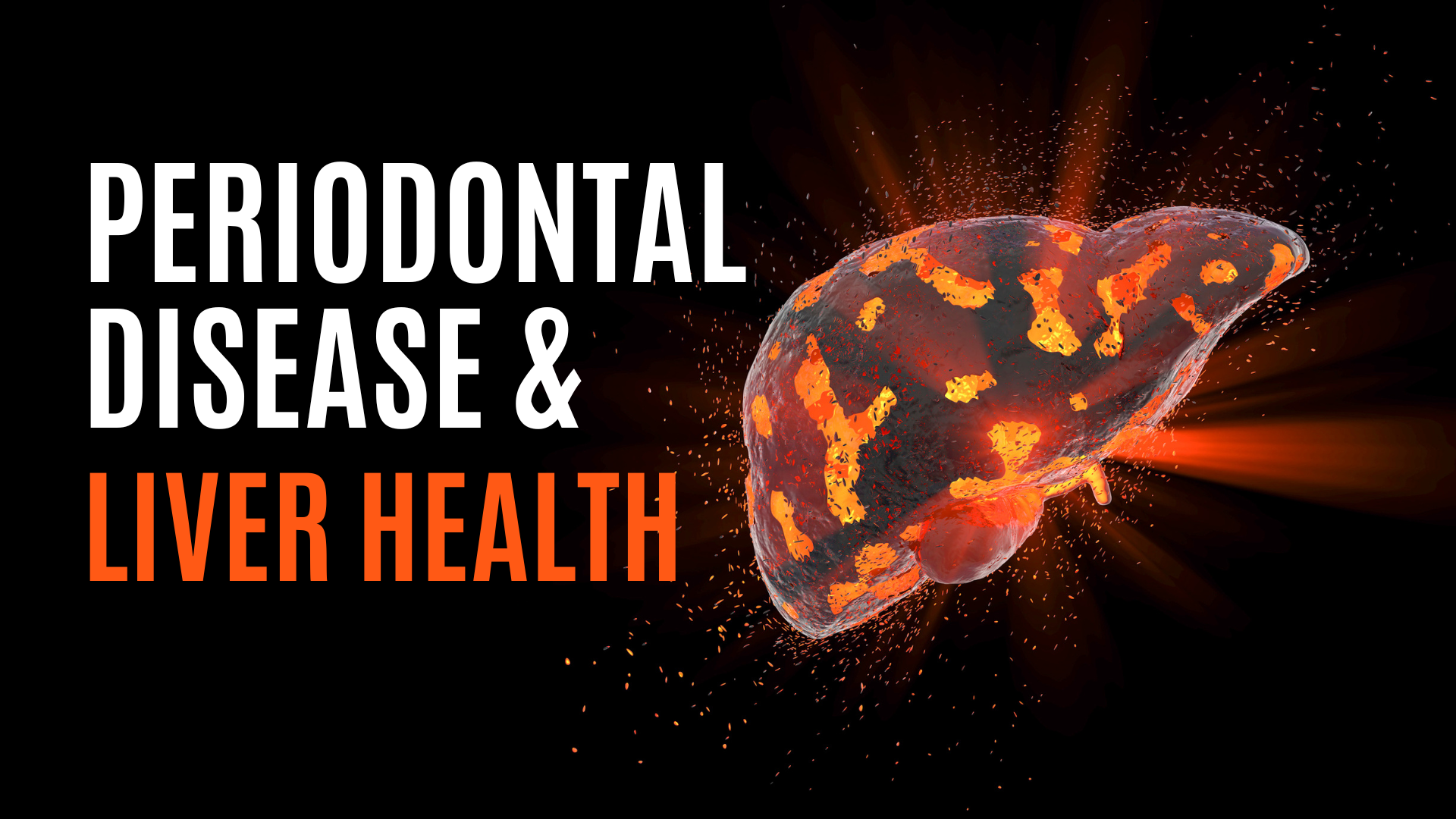
Periodontal disease, a prevalent oral health condition, has long been recognized as a significant concern due to its impact on the gums and supporting structures of the teeth. However, recent research has uncovered a potential link between periodontal disease and liver health, opening up new avenues of exploration in understanding the interplay between oral and systemic well-being. This article aims to delve into this intriguing connection and shed light on the implications it may have for individuals’ overall health.
Oral health has increasingly been recognized as an integral part of general health, with evidence highlighting its influence on various systemic conditions, including cardiovascular disease, diabetes, and pregnancy outcomes. As researchers continue to uncover the intricate relationships between oral health and overall well-being, the potential link between periodontal disease and liver health has emerged as an area of great interest.
The liver, a vital organ responsible for numerous critical functions, plays a central role in maintaining overall health and homeostasis. It is involved in detoxification, metabolism, the production of essential proteins, and the regulation of various metabolic processes. Liver diseases, such as non-alcoholic fatty liver disease (NAFLD) and liver cirrhosis, can have far-reaching consequences on a person’s health and well-being.
The association between periodontal disease and liver health stems from the shared underlying factor of chronic inflammation. Periodontal disease is characterized by the chronic inflammatory response triggered by the presence of bacteria and plaque in the gums. This inflammatory response can extend beyond the oral cavity and potentially impact other parts of the body, including the liver.
Emerging research suggests that the chronic inflammation associated with periodontal disease may contribute to liver inflammation and the development or progression of liver diseases. For example, studies have found an association between periodontal disease and an increased risk of NAFLD, a condition characterized by the accumulation of fat in the liver. Additionally, chronic inflammation has been implicated in the development and progression of liver cirrhosis, although more research is needed to establish a direct link with periodontal disease.
Understanding the potential connection between periodontal disease and liver health is crucial for comprehensive healthcare strategies. It highlights the need for a holistic approach to health, considering the interplay between oral health and systemic well-being. By promoting good oral hygiene practices and addressing periodontal disease, individuals may potentially reduce the risk of liver-related complications and improve their overall health outcomes.
In this article, we will delve deeper into the research surrounding the link between periodontal disease and liver health. We will explore the potential mechanisms underlying this connection, discuss the role of chronic inflammation, and examine the influence of the gut-liver axis. Additionally, we will explore preventive measures, management strategies, and the importance of interdisciplinary collaboration in addressing this intriguing association.
By understanding the link between periodontal disease and liver health, we can strive towards a more integrated approach to healthcare, recognizing the interconnectedness of various bodily systems and their impact on overall well-being.
Understanding Periodontal Disease
Periodontal disease, also known as gum disease, is a chronic inflammatory condition caused by the buildup of plaque, a sticky film of bacteria that forms on the teeth. If not effectively removed through proper oral hygiene practices, plaque can harden into tartar and lead to inflammation of the gums. In advanced stages, periodontal disease can cause damage to the tissues and bones supporting the teeth, ultimately leading to tooth loss if left untreated.
What are the signs and symptoms of gum?

The Liver’s Vital Role
The liver is an essential organ responsible for various critical functions in the body. It plays a crucial role in detoxification, metabolism, nutrient storage, and the production of bile, among other functions. It is also involved in the regulation of blood sugar levels, cholesterol metabolism, and the synthesis of important proteins.


Prevalence of liver diseases in the United States
Non-Alcoholic Fatty Liver Disease (NAFLD) and Non-Alcoholic Steatohepatitis (NASH):
- NAFLD: Estimated to affect around 25-30% of the general population, translating to approximately 80-100 million individuals
- NASH: Estimated to impact 3-12% of adults in the United States, corresponding to around 15-30 million individuals
Chronic Hepatitis B and C:
- Chronic Hepatitis C: It is estimated that approximately 2.4 million individuals are living with chronic hepatitis C, which corresponds to around 0.7% of the U.S. population
- Chronic Hepatitis B: Around 850,000 people are estimated to have chronic hepatitis B, representing approximately 0.3% of the population
Alcoholic Liver Disease:
- Alcoholic Cirrhosis: Alcoholic cirrhosis affects a subset of individuals with excessive alcohol consumption, with estimates varying widely. It is challenging to provide a specific percentage due to the complex relationship between alcohol consumption patterns and liver disease.
Liver Cancer:
- Liver cancer, including hepatocellular carcinoma, is estimated to account for approximately 3.4% of all cancer cases in the United States
Autoimmune Liver Diseases:
- The prevalence of autoimmune liver diseases, including autoimmune hepatitis, primary biliary cholangitis (PBC), and primary sclerosing cholangitis (PSC), varies. These conditions are relatively less common compared to other liver diseases.
304 million
People worldwide have liver disease
The Potential Connection
Emerging research suggests that there may be a relationship between periodontal disease and liver health. Chronic inflammation is a common characteristic of both conditions and is thought to be a key factor linking them together. The inflammation associated with periodontal disease can potentially trigger systemic inflammation, which may impact the liver and contribute to the development or progression of liver diseases.

Source: https://doi.org/10.1111/prd.12427
Liver Cirrhosis
Liver cirrhosis is a late-stage scarring of the liver that can result from various causes, including chronic inflammation and liver disease. While research on the direct link between periodontal disease and cirrhosis is limited, chronic inflammation, a shared feature between the two conditions, may play a role in the development and progression of cirrhosis. Further studies are needed to explore this potential association more comprehensively.
Liver cirrhosis and gum disease, such as periodontal disease, may appear unrelated at first glance, but there are potential underlying connections and shared risk factors between these two conditions.

Chronic Inflammation: Chronic inflammation is a common characteristic of both liver cirrhosis and gum disease. In liver cirrhosis, chronic inflammation occurs due to long-term liver damage and the resulting attempts at tissue repair. Similarly, in gum disease, chronic inflammation arises from the body’s immune response to the bacterial infection in the gums. This shared chronic inflammatory response suggests a potential link between the two conditions.
Immune System Dysfunction: Both liver cirrhosis and gum disease involve immune system dysfunction. In liver cirrhosis, the liver’s ability to detoxify the blood and regulate the immune response is compromised. This can lead to systemic immune dysregulation, affecting various parts of the body, including the gums. In gum disease, the immune system’s response to oral bacteria can become dysregulated, leading to chronic inflammation and tissue damage.
Shared Risk Factors: Liver cirrhosis and gum disease share certain risk factors, including:
Alcohol Abuse: Excessive alcohol consumption is a well-known risk factor for both liver cirrhosis and gum disease. Alcohol can directly damage liver cells and compromise the immune response, leading to liver damage and inflammation. Additionally, alcohol can contribute to gum disease by promoting bacterial growth in the mouth and impairing the healing process.
Poor Oral Hygiene: Inadequate oral hygiene practices, such as infrequent brushing and flossing, can contribute to the development of gum disease. Poor oral hygiene allows plaque buildup, which contains harmful bacteria, to accumulate on the teeth and gums. These bacteria can trigger an inflammatory response, leading to gum disease. Additionally, poor oral hygiene may contribute to the development of systemic infections, which can further impact liver health in individuals with cirrhosis.
Smoking: Smoking is a risk factor for both liver cirrhosis and gum disease. Smoking compromises blood flow to the liver and impairs its ability to regenerate. Similarly, smoking reduces blood flow to the gums, impairs the immune response, and increases the risk of gum disease.
Diabetes: Individuals with diabetes have an increased risk of both liver cirrhosis and gum disease. Diabetes affects the body’s ability to regulate blood sugar levels and increases the risk of developing infections, including gum infections. Uncontrolled diabetes can also contribute to liver damage and the development of cirrhosis.
It is important to note that while there may be associations and shared risk factors between liver cirrhosis and gum disease, the causal relationship between the two conditions is still being investigated. Further research is needed to better understand the underlying mechanisms connecting these two conditions and the potential impact of oral health on liver health and vice versa.
Gut-Liver Axis
The gut-liver axis is a bidirectional communication pathway between the gut and the liver. This pathway allows the two organs to communicate with each other and coordinate their functions. The gut-liver axis is important for maintaining liver health, and it can be disrupted by a variety of factors, including periodontal disease.
Periodontal disease is a chronic inflammatory condition of the gums. It is caused by the buildup of plaque, a sticky film of bacteria, on the teeth. If plaque is not removed, it can harden into tartar and cause the gums to recede. This can lead to inflammation, bone loss, and tooth loss.
Periodontal disease can disrupt the gut-liver axis in a number of ways. First, bacteria from the mouth can enter the bloodstream and travel to the liver. Once in the liver, these bacteria can trigger an immune response that leads to inflammation. Inflammation can damage liver cells and lead to the development of liver disease.
Second, periodontal disease can alter the composition of the gut microbiota, the community of bacteria that live in the gut. A healthy gut microbiota is important for maintaining liver health. When the gut microbiota is disrupted, it can lead to inflammation and liver damage.
Third, periodontal disease can increase the risk of developing non-alcoholic fatty liver disease (NAFLD). NAFLD is a condition in which fat builds up in the liver. It is a major risk factor for cirrhosis and liver cancer.
There is some evidence that treating periodontal disease can improve liver health. One study found that treating periodontal disease was associated with improvements in liver function tests in patients with NAFLD. Another study found that treating periodontal disease was associated with a lower risk of developing cirrhosis in patients with hepatitis C.
More research is needed to fully understand the link between periodontal disease and liver health. However, the evidence suggests that periodontal disease is a risk factor for liver disease and that treating periodontal disease may improve liver health.
The Liver’s Vital Role
The liver is an essential organ responsible for various critical functions in the body. It plays a crucial role in detoxification, metabolism, nutrient storage, and the production of bile, among other functions. It is also involved in the regulation of blood sugar levels, cholesterol metabolism, and the synthesis of important proteins.

Conclusion
While further research is needed to fully understand the link between periodontal disease and liver health, the emerging evidence suggests a potential association. Chronic inflammation shared risk factors, and the influence of the gut-liver axis are all factors that warrant continued investigation. By prioritizing oral hygiene, seeking regular dental care, and adopting a healthy lifestyle, individuals can potentially reduce