Extrusion line to produce medical tubing

Extrusion line to produce medical tubing

Picture of Dr. Max Foroughi

Dr. Max Foroughi

Founder & CEO at Biomedisca

Revolutionizing Medical Care: The Extrusion Line for Producing Medical Tubing

In the realm of medical manufacturing, precision, efficiency, and reliability are paramount. Medical tubing, a critical component used in a wide range of applications from simple intravenous lines to complex catheter systems, stands at the forefront of medical advancements. The production of these essential items relies heavily on the technology behind extrusion lines, a sophisticated process that has seen significant advancements in recent years. This article explores the intricacies of extrusion lines designed for producing medical tubing, highlighting their importance, technological innovations, and the impact they have on healthcare.

The Vital Role of Medical Tubing
Medical tubing serves as the lifeline in numerous healthcare applications. It is indispensable for delivering medications, fluids, and gases directly into the body, as well as for draining bodily fluids. Moreover, it plays a crucial role in minimally invasive surgical procedures by providing a pathway for cameras and surgical instruments. The diversity in its application necessitates a variety of tubing types, each with specific properties tailored to its intended use, including flexibility, strength, and biocompatibility.

The Extrusion Process Explained
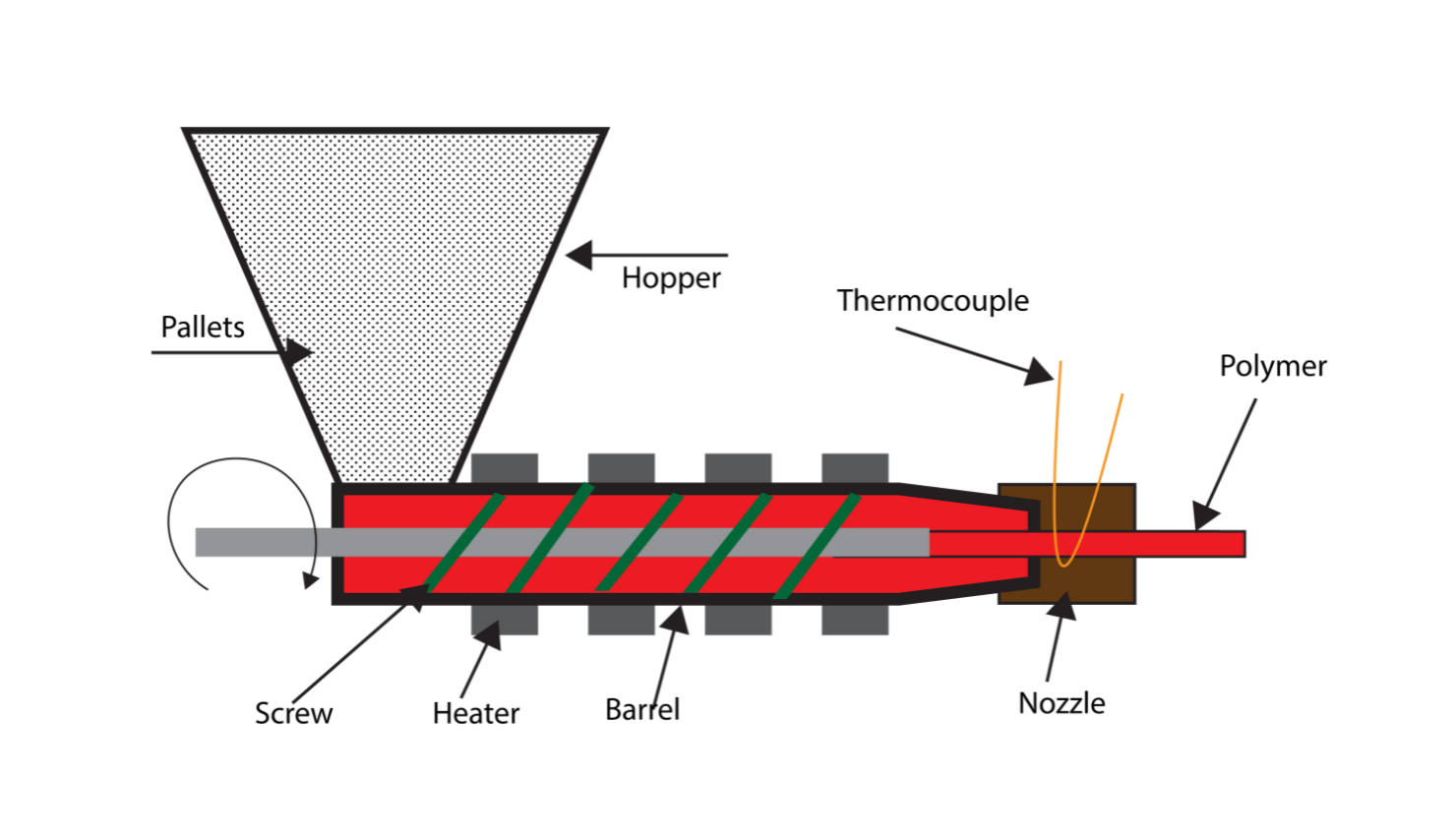
Extrusion is a manufacturing process used to create objects of a fixed cross-sectional profile. In the context of medical tubing, it involves forcing molten polymer through a die to shape the tube, which is then cooled and solidified. This process must be meticulously controlled to meet stringent medical standards, ensuring that each tube’s diameter, wall thickness, and surface quality are consistent and meet the exact specifications required for medical use.

Key Components of an Extrusion Line for Medical Tubing

  1. Material Handling and Preparation: High-quality medical-grade polymers are carefully selected and prepared for extrusion. This may involve drying and mixing with additives to enhance the material’s properties.
  2. Extruder: The heart of the extrusion line, where the polymer is heated, melted, and pushed through a screw mechanism towards the die.
  3. Die and Sizing Equipment: Precision-engineered dies shape the molten polymer into tubing. Sizing equipment ensures the tubing meets exact dimensional specifications.
  4. Cooling System: Rapid cooling systems solidify the tubing as it exits the die. Water baths or air cooling systems are commonly used.
  5. Puller: A device that gently pulls the tubing through the line, ensuring consistent speed and preventing deformation.
  6. Cutting and Coiling: Automated cutters trim the tubing to predetermined lengths, or coiling systems collect longer lengths for packaging.

Technological Innovations
The evolution of extrusion line technology has been driven by the need for greater precision, efficiency, and material versatility. Innovations include:

  • Advanced Materials: Development of new polymer blends that offer enhanced properties, such as increased strength, flexibility, and biocompatibility.
  • Precision Control Systems: Integration of sophisticated control systems that monitor and adjust processing parameters in real-time, ensuring consistent product quality.
  • Multi-Lumen Tubing Capabilities: Advanced dies and extrusion techniques allow for the production of multi-lumen tubing, enabling more complex medical devices.
  • Laser Measurement and Inspection: Non-contact laser measurement and visual inspection systems ensure tubing meets strict dimensional and quality standards.

Impact on Healthcare

The advancements in extrusion line technology for producing medical tubing have had a profound impact on healthcare. High-quality tubing is critical for the success of many medical procedures, and the ability to produce it efficiently and reliably ensures that medical professionals have the tools they need. Furthermore, innovations in tubing materials and manufacturing processes have enabled the development of new and improved medical devices, contributing to advancements in patient care and treatment outcomes.

Conclusion
The extrusion line for producing medical tubing is a cornerstone of medical manufacturing, playing a crucial role in healthcare delivery. Through continuous innovation and technological advancement, these extrusion lines have become more capable and efficient, enabling the production of tubing that meets the ever-increasing demands of the medical industry. As we look to the future, the evolution of extrusion technology promises to further enhance medical care, offering new possibilities for treatments and improving patient outcomes worldwide.