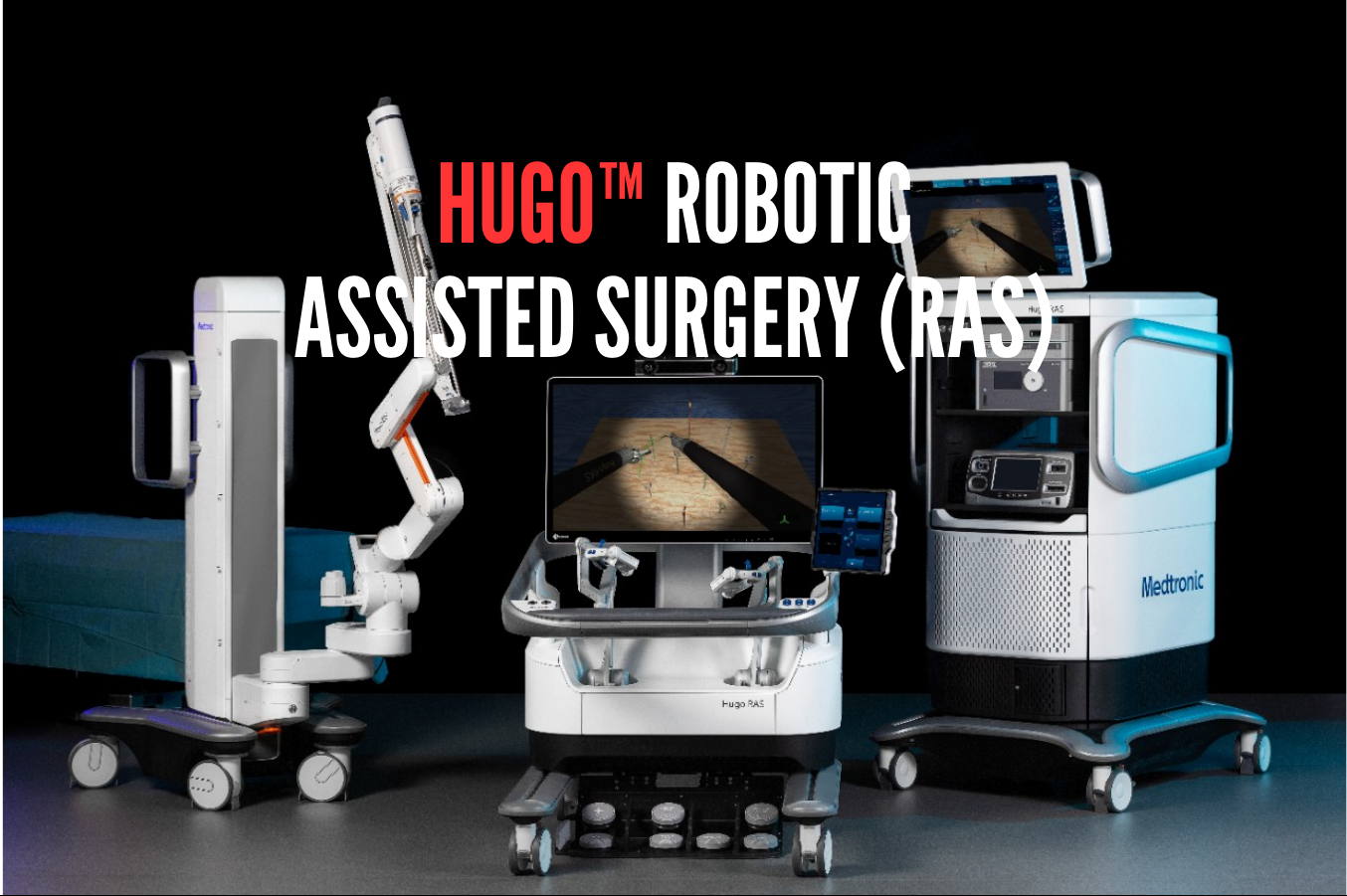


The robotic-assisted surgery device that gives you more choice.
As the first soft tissue surgical company with open, laparoscopic, robotic, and digital solutions — giving you more choice is central to everything we do.
Partnership, flexibility, and support all come with the robotic-assisted surgery system. Designed for surgeons by surgeons
Proven partnership
For 60+ years we’ve been your trusted partner in the OR. No matter which procedure you choose – open, laparoscopic, or robotic-assisted surgery, (RAS) we’re here for you.
Greater flexibility
The RAS system is modular and portable for more flexibility across surgical approaches, and more efficient utilization across ORs.
Your support ecosystem
We’re dedicated to your success through wrap-around services, support, training, and analytics.
Minimally invasive surgery makes a world of difference.
You know better than anyone, every surgery impacts a life. You’re in it to make a difference. We are too. We believe that when you combine your expertise and dedication with the right partner, extraordinary things can happen. Let’s make a difference, together.
Choice means bringing your vision to life.
Crafting a holistic surgical program takes a partner who understands your needs from a 360-degree perspective. Our dedicated team works with you to ensure optimized use of the robotic-assisted surgery system. And we support you through thoughtful planning to help build a sustainable holistic surgical program.
The Medtronic Hugo™ RAS system is commercially available in certain geographies. Regulatory requirements of individual countries and regions will determine approval, clearance, or market availability. In the EU, the Hugo™ RAS system is CE marked. In the U.S., the Hugo™ system is an investigational device not for sale. Touch Surgery™ ecosystem is not intended to direct surgery, or aid in diagnosis or treatment of a disease or condition.
Tiwari MM, Reynoso JF, High R, Tsang AW, Oleynikov D. Safety, efficacy, and cost effectiveness of common laparoscopic procedures. Surg Endosc. 2011;25(4):1127–1135.
Roumm AR, Pizzi L, Goldfarb NI, Cohn H. Minimally invasive: minimally reimbursed? An examination of six laparoscopic surgical procedures. Surg Innovation. 2005;12(3):261–287
Based on a RCT in a porcine model. Singh P, Aggarwal R, Tahir M, Pucher PH, Darzi A. A randomized controlled study to evaluate the role of video-based coaching in training laparoscopic skills. Ann Surg. 2015;261(5):862–869.
Artificial intelligence (AI) and machine learning (ML) technologies have the potential to transform health care by deriving new and important insights from the vast amount of data generated during the delivery of health care every day. Medical device manufacturers are using these technologies to innovate their products to better assist health care providers and improve patient care. The complex and dynamic processes involved in the development, deployment, use, and maintenance of AI technologies benefit from careful management throughout the medical product life cycle.
What Is Artificial Intelligence and Machine Learning?
Artificial Intelligence is a machine-based system that can, for a given set of human-defined objectives, make predictions, recommendations, or decisions influencing real or virtual environments. Artificial intelligence systems use machine- and human-based inputs to perceive real and virtual environments; abstract such perceptions into models through analysis in an automated manner; and use model inference to formulate options for information or action.
Machine Learning is a set of techniques that can be used to train AI algorithms to improve performance at a task based on data.
Some real-world examples of artificial intelligence and machine learning technologies include:
An imaging system that uses algorithms to give diagnostic information for skin cancer in patients.
A smart sensor device that estimates the probability of a heart attack.
How Are Artificial Intelligence and Machine Learning (AI/ML) Transforming Medical Devices?
AI/ML technologies have the potential to transform health care by deriving new and important insights from the vast amount of data generated during the delivery of health care every day. Medical device manufacturers are using these technologies to innovate their products to better assist health care providers and improve patient care. One of the greatest benefits of AI/ML in software resides in its ability to learn from real-world use and experience, and its capability to improve its performance.
How Is the FDA Considering Regulation of Artificial Intelligence and Machine Learning Medical Devices?
The FDA reviews medical devices through an appropriate premarket pathway, such as premarket clearance (510(k)), De Novo classification, or premarket approval. The FDA may also review and clear modifications to medical devices, including software as a medical device, depending on the significance or risk posed to patients of that modification.
The FDA’s traditional paradigm of medical device regulation was not designed for adaptive artificial intelligence and machine learning technologies. Many changes to artificial intelligence and machine learning-driven devices may need a premarket review.
On April 2, 2019, the FDA published a discussion paper “Proposed Regulatory Framework for Modifications to Artificial Intelligence/Machine Learning (AI/ML)-Based Software as a Medical Device (SaMD) – Discussion Paper and Request for Feedback” that describes a potential approach to premarket review for artificial intelligence and machine learning-driven software modifications.
Eversense E3 Continuous Glucose Monitoring (CGM) System – P160048/S021
This is a brief overview of information related to FDA’s approval to market this product. See the links below to the Summary of Safety and Effectiveness Data (SSED) and product labeling for more complete information on this product, its indications for use, and the basis for FDA’s approval.
Product Name: Eversense E3 Continuous Glucose Monitoring (CGM) System PMA Applicant: Senseonics, Incorporated Address: 20451 Seneca Meadows Parkway, Germantown, MD 20876 USA Approval Date: March 29, 2023 Approval Letter: Approval Order
What is it?
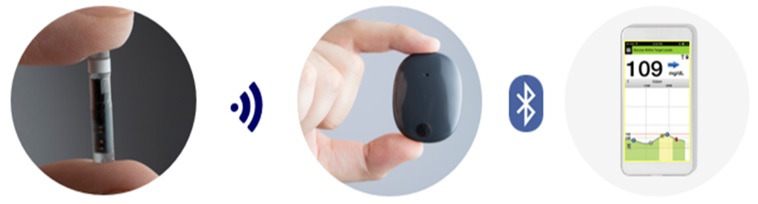
The Eversense E3 Continuous Glucose Monitoring (CGM) System provides real-time blood sugar (glucose) values and trends in these levels over time through a mobile app installed on a smart phone, tablet, or other compatible device.
The Eversense E3 Continuous Glucose Monitoring System is a prescription device used to help people with diabetes understand and manage their glucose levels. It can be worn for up to 180 days.
How does it work?
The Eversense E3 CGM includes a small sensor that is implanted under the skin by a doctor. A fluorescent chemical coating on the outside of the sensor generates a small amount of light based on the amount of blood sugar that is present (interstitial glucose).
The light signal is converted into a glucose reading and transmitted wirelessly every five minutes to the user’s smart device. The Eversense mobile app lets the user know when glucose values are low or high based on alert settings that are programmed into the app. The system can also alert users when glucose values are approaching potentially dangerously high (hyperglycemic) and/or dangerously low (hypoglycemic) levels. For the Eversense E3 GCM to work properly, the mobile device must be on and fully operational with Bluetooth and notifications for the Eversense mobile app enabled.
The system must be calibrated by testing a fingertip blood sample with a blood glucose meter when prompted. These calibrations are required twice a day for the first 21 days after the sensor is implanted. After that, only one calibration per day is needed unless the system indicates otherwise.
This approval is for the Eversense E3 CGM System that requires one calibration per day more than 99% of the time. Previous approvals were for Eversense E3 CGM systems (P160048/S016) requiring one calibration per day only 62% of the time.
When is it used?
The Eversense E3 CGM System is indicated for use to continually measure glucose levels in adults 18 years and older with diabetes for up to 180 days. The system can also be used in place of fingerstick blood glucose measurements to make diabetes treatment decisions.
What will it accomplish?
People with diabetes can use the information from this device to make treatment decisions, including when to give insulin or carbohydrates. The system is intended to provide real-time glucose readings, glucose trend information, and alerts that predict hypoglycemia and hyperglycemia. Historical data from the system can be help providers and patients make treatment plans and adjustments that will keep blood glucose levels in a safe range. These adjustments should be based on the patterns and trends seen over time.
When should it not be used?
The Eversense E3 CGM’s Smart Transmitter is not magnetic resonance imaging (MRI) compatible and must be removed before an MRI. Additionally, the system should not be used in people who cannot tolerate the corticosteroid dexamethasone or dexamethasone acetate.
Eversense users should also be aware that some sugar alcohols (mannitol and sorbitol) used in healthcare settings and given through the blood vessels (intravenously) or as a part of an irrigation or peritoneal dialysis solution, may cause a false high glucose result from the system’s sensor. However, sorbitol levels in artificial sweeteners that are used as part of a typical diet do not impact sensor glucose results.
The da Vinci Robot® gives the surgeon new tools for laparoscopic surgery. The system replicates the surgeon’s hand movements real time in laparoscopic instruments. The robot is not pre-programmed, and only makes the precise motions made by what the surgeon inputs in real time.
The da Vinci 3D Optics
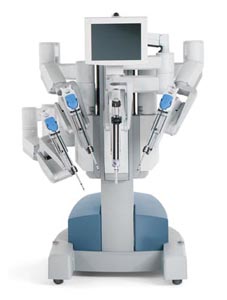
The da Vinci robotic camera consists of two high definition cameras. Just like your eyes produce a true 3D color image so do the cameras of the da Vinci robot. This picture is visible to the surgeon seated at the da Vinci console by viewing the twin high resolution, high frame-rate eyepieces. The endoscope picture magnification of up to 12x can be achieved with these cameras of conventional laparoscopic cameras. These components constitute the Insite-Vision System, by Intuitive Surgical, one of the most advanced vision systems available. A central robotic arm positions the camera and lighting exactly where the surgeon wishes it, because it is operated by the surgeon by foot pedals as he/she is comfortably seated at the console. The camera can be placed within a few inches of the prostate during surgery thus allowing for better dissection during the operation. In addition to the 3D camera there are two different cameras are also available for the da Vinci system. They are: a straight, and 30 degree oblique. The oblique camera can allow the surgeon to peek around the corners and to partially see underneath the prostate.
The da Vinci Surgical Instruments
Although visually similar to standard endo-wrist image laparascopic instruments, the robotic instruments have the additional advantage of being articulated. The allows the instruments not only instruments image to open and close but to fully turn and twist, allowing more natural mimicry of the human hand and wrist. Unlike your hand these instruments are much smaller. Many of the jaws of the tools are similar or shorter in length than your fingernail. This allows very small and precise incisions to carefully dissect out the prostate.
Manipulations of da Vinci Surgical Instruments
Standard laparoscopic instruments are manipulated counter-intuitively or ‘backwards’. The surgeon operates one end of the instrument which acts like a lever-push one end down and the other end goes up. Push right to make the instrument go left. This is similar to a teeter-totter, where the center is the port or entrance to the body cavity. Thus for standard laparoscopic procedure, the surgeon has learned to operate essentially backwards. The Da Vinci robot does not have these limitations. The robot-slave technology translates a surgeons hand movements exactly as he or she does. Turn your wrist right and the articulated robotic wrist turns right; go up, the robot wrist move up all in three dimensions. The robot also allows the surgeon to make large hand movement at the console that can be translated into a micro precise dissection. The robot can also filter out hand tremors, enhancing precision when compared to standard laparoscopy. Another of the many benefits of this system is that it significantly reduces surgeon fatigue associated with traditional laparoscopic prostatectomy by allowing the surgeon to remain in a natural, comfortable position while operating.
Minimizing Blood Loss with the da Vinci System
The enhanced visibility and magnification of the robotic cameras aid the surgeons in finding small ‘bleeders’, which translates into lower blood loss. Now surgeons can keep blood loss to a minimum, which means an increased clarity of vision to more carefully identify essential anatomy of the prostate, the nerves and blood vessels which may aid potency.
Premarket Submissions for Device Software Functions
Dr. Max Foroughi
Founder & CEO at Biomedisca
GUIDANCE DOCUMENT
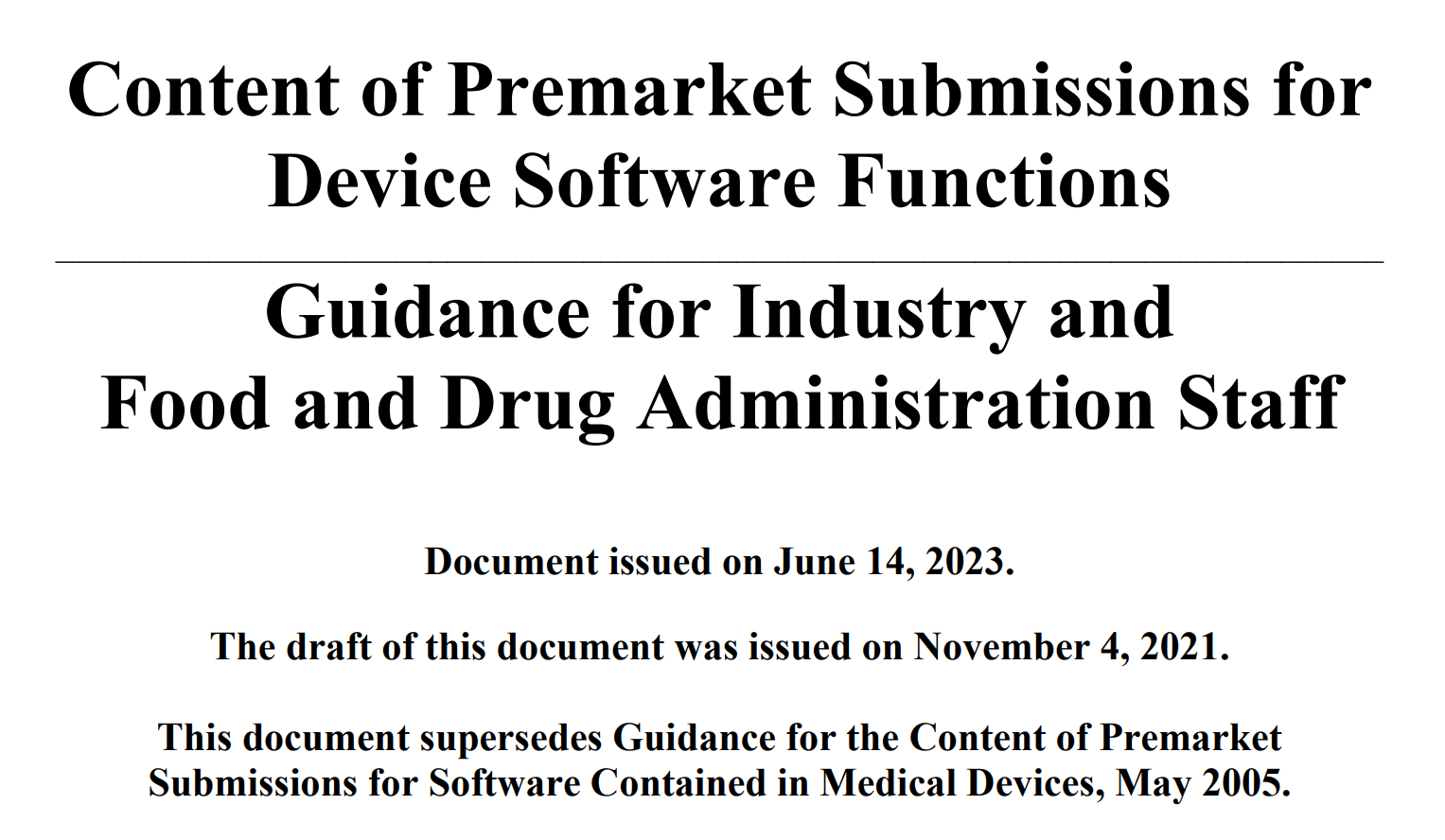
Content of Premarket Submissions for Device Software Functions
Guidance for Industry and Food and Drug Administration Staff
JUNE 2023
Docket Number: FDA-2021-D-0775
Issued by:
Center for Devices and Radiological Health
Center for Biologics Evaluation and Research
Office of the Commissioner, Office of Clinical Policy and Programs, Office of Combination Products
Center for Drug Evaluation and Research
This guidance document is intended to provide information regarding the recommended documentation for premarket submissions for FDA’s evaluation of the safety and effectiveness of device software functions, which are software functions that meet the definition of a device under section 201(h) of the Federal Food, Drug, and Cosmetic Act (FD&C Act). The FDA recognizes this evolving landscape and seeks to provide our latest thinking on regulatory considerations for device software functions, which considers current standards and best practices. The recommendations in this guidance are intended to facilitate FDA’s premarket review. This guidance document replaces FDA’s Guidance for the Content of Premarket Submissions for Software Contained in Medical Devices issued on May 11, 2005.
Electronic Submission Template for Medical Device 510(k) Submissions
Guidance for Industry and Food and Drug Administration Staff
OCTOBER 2023
Docket Number: FDA-2021-D-0872
Issued by: Center for Devices and Radiological Health
Center for Biologics Evaluation and Research
This guidance provides the standards for the submission of premarket notification (510(k)) submissions by electronic format, a timetable for establishment of these standards, and criteria for waivers of and exemptions from the requirements to meet a statutory requirement. This guidance is also intended to represent one of several steps in meeting FDA’s commitment to the development of electronic submission templates to serve as guided submission preparation tools for industry to improve submission consistency and enhance efficiency in the review process. As of October 1, 2023, FDA will require that 510(k) electronic submissions be provided as described in this guidance.
Revolutionizing Medical Care: The Extrusion Line for Producing Medical Tubing
In the realm of medical manufacturing, precision, efficiency, and reliability are paramount. Medical tubing, a critical component used in a wide range of applications from simple intravenous lines to complex catheter systems, stands at the forefront of medical advancements. The production of these essential items relies heavily on the technology behind extrusion lines, a sophisticated process that has seen significant advancements in recent years. This article explores the intricacies of extrusion lines designed for producing medical tubing, highlighting their importance, technological innovations, and the impact they have on healthcare.
The Vital Role of Medical Tubing Medical tubing serves as the lifeline in numerous healthcare applications. It is indispensable for delivering medications, fluids, and gases directly into the body, as well as for draining bodily fluids. Moreover, it plays a crucial role in minimally invasive surgical procedures by providing a pathway for cameras and surgical instruments. The diversity in its application necessitates a variety of tubing types, each with specific properties tailored to its intended use, including flexibility, strength, and biocompatibility.
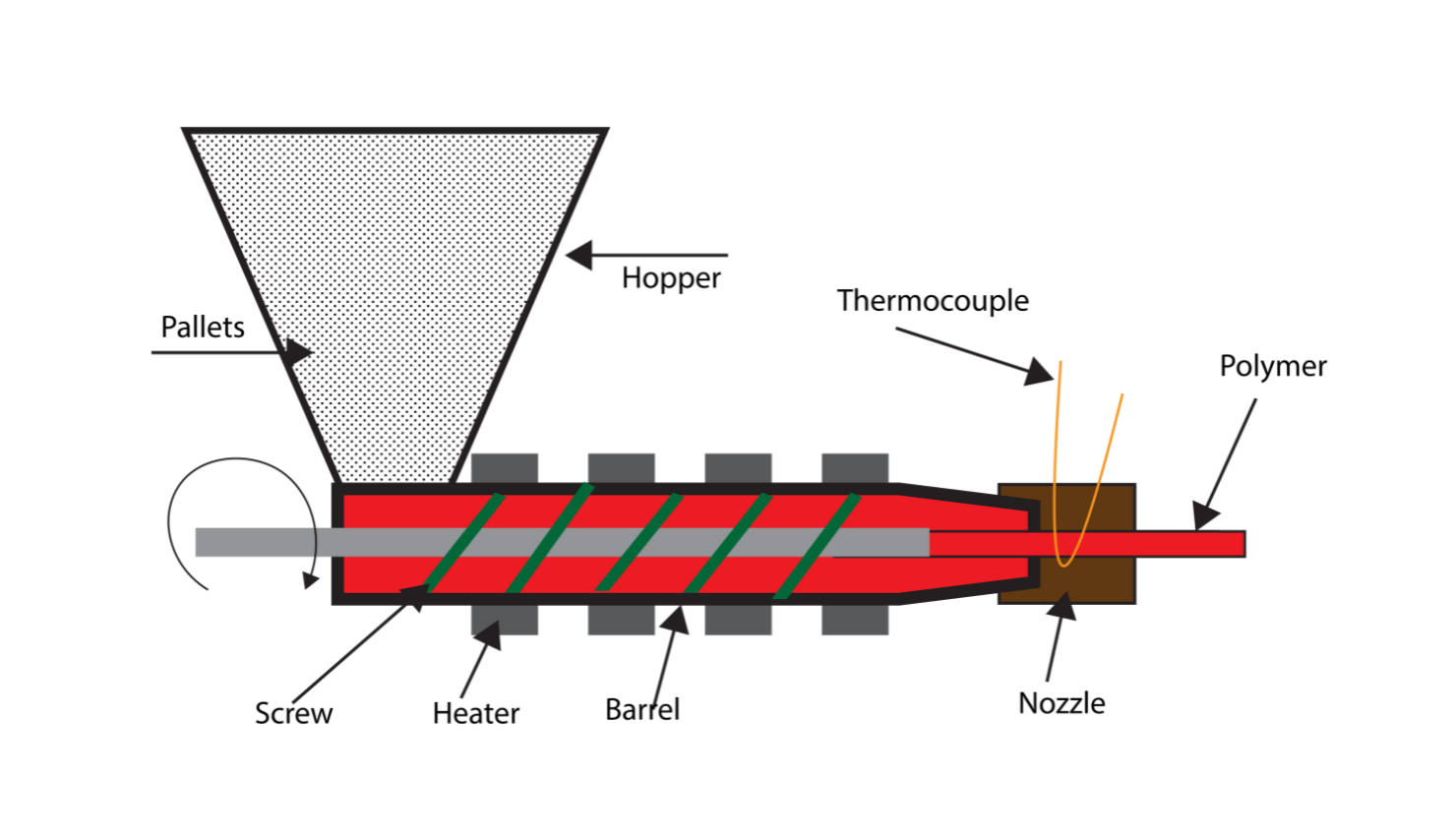
The Extrusion Process Explained Extrusion is a manufacturing process used to create objects of a fixed cross-sectional profile. In the context of medical tubing, it involves forcing molten polymer through a die to shape the tube, which is then cooled and solidified. This process must be meticulously controlled to meet stringent medical standards, ensuring that each tube’s diameter, wall thickness, and surface quality are consistent and meet the exact specifications required for medical use.
Key Components of an Extrusion Line for Medical Tubing
Material Handling and Preparation: High-quality medical-grade polymers are carefully selected and prepared for extrusion. This may involve drying and mixing with additives to enhance the material’s properties.
Extruder: The heart of the extrusion line, where the polymer is heated, melted, and pushed through a screw mechanism towards the die.
Die and Sizing Equipment: Precision-engineered dies shape the molten polymer into tubing. Sizing equipment ensures the tubing meets exact dimensional specifications.
Cooling System: Rapid cooling systems solidify the tubing as it exits the die. Water baths or air cooling systems are commonly used.
Puller: A device that gently pulls the tubing through the line, ensuring consistent speed and preventing deformation.
Cutting and Coiling: Automated cutters trim the tubing to predetermined lengths, or coiling systems collect longer lengths for packaging.
Technological Innovations The evolution of extrusion line technology has been driven by the need for greater precision, efficiency, and material versatility. Innovations include:
Advanced Materials: Development of new polymer blends that offer enhanced properties, such as increased strength, flexibility, and biocompatibility.
Precision Control Systems: Integration of sophisticated control systems that monitor and adjust processing parameters in real-time, ensuring consistent product quality.
Multi-Lumen Tubing Capabilities: Advanced dies and extrusion techniques allow for the production of multi-lumen tubing, enabling more complex medical devices.
Laser Measurement and Inspection: Non-contact laser measurement and visual inspection systems ensure tubing meets strict dimensional and quality standards.
Impact on Healthcare
The advancements in extrusion line technology for producing medical tubing have had a profound impact on healthcare. High-quality tubing is critical for the success of many medical procedures, and the ability to produce it efficiently and reliably ensures that medical professionals have the tools they need. Furthermore, innovations in tubing materials and manufacturing processes have enabled the development of new and improved medical devices, contributing to advancements in patient care and treatment outcomes.
Conclusion The extrusion line for producing medical tubing is a cornerstone of medical manufacturing, playing a crucial role in healthcare delivery. Through continuous innovation and technological advancement, these extrusion lines have become more capable and efficient, enabling the production of tubing that meets the ever-increasing demands of the medical industry. As we look to the future, the evolution of extrusion technology promises to further enhance medical care, offering new possibilities for treatments and improving patient outcomes worldwide.
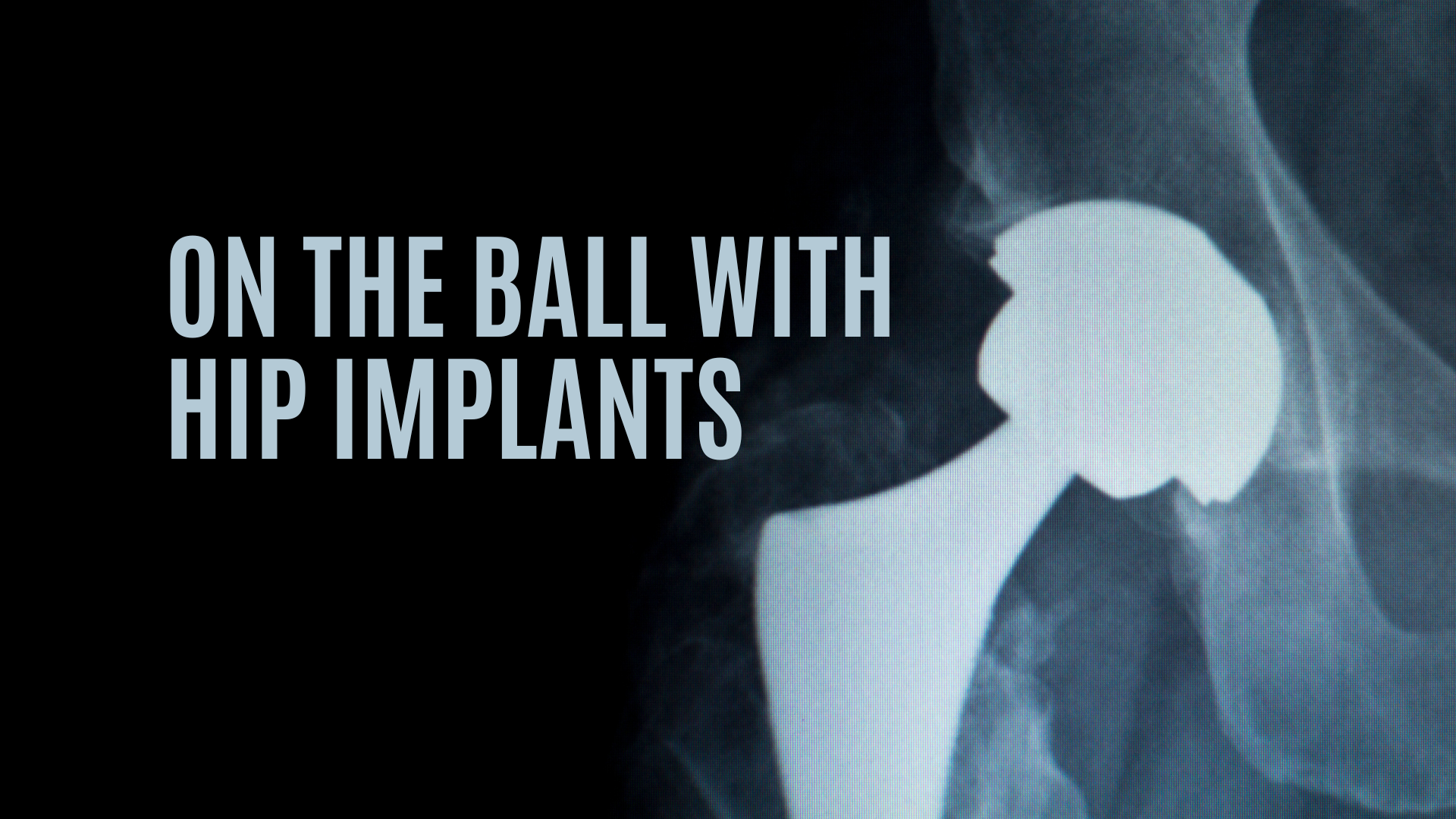
Orthopaedic hip surgery numbers are forecast to increase at a rate of 5% year on year to 2026. This is no surprise given a growing aged population around the world. With this comes increased demand for tools and components to support these procedures. ANCA’s process for femoral ball grinding, developed together with grinding wheel manufacturer Tyrolit, delivers quality and consistency in the finished femoral ball, using specialised machine control and application technology on the market leading MX7 Linear CNC grinding machine.
Figure 1: orthopaedic hip implant that includes a femoral ball
The medical industry is one where customers and markets are acutely sensitive to product quality and consistency. This is even more the case for orthopaedic implants that are to be placed permanently inside the human body. As a result, customers buying and using orthopaedic implants need absolute confidence in the product, which in turn requires absolute confidence in the manufacturing process.
Performance of femoral balls used in hip replacement implants demands consistency of roundness, size and surface finish as key quality criteria. To achieve this, ANCA has developed a process on its MX7 Linear machine that applies a series of grinding, honing and final buffing operations. The result is surface finish on the ball of <0.01µm Ra and part roundness under 3µm.
Figure 2: surface finish measurement of finished ball is <0.01micron Ra
The first step in the process is grinding the initial part accurately to size. Using plated CBN grinding wheels, excess stock material is removed from the rough turned part. This operation makes upstream processes easier by relaxing the tolerance demands for the blank part that the ANCA MX7 will grind.
Next are a series of fine honing processes that produce incremental improvement in the surface finish. Application Engineers from ANCA and grinding wheel manufacturer Tyrolit, teamed up to develop a process that delivered stable production results on the femoral ball.
Tyrolit wheels have been specifically developed for the femoral ball applications but are known to naturally wear during the production process. ANCA was uniquely positioned to deal with this challenge, being the designer and manufacturer of its own LinX linear motors as well as the CNC and servo drive system that controls the machine and grinding wheel movement. ANCA’s System Engineers developed an entirely new control algorithm for this application. This allowed the operator to program the desired forces applied by the honing wheel on the femoral ball. With this programmed force, the wheel feeds into the ball at a constant rate as it wears away. The three different Tyrolit wheels used could be programmed with their own unique grinding force parameter to achieve a mirror surface finish and consistent part size tolerance.
Figure 3: femoral ball honing operation
Additionally, automatic wheel measurement was developed that ensures each honing operation starts from the correct infeed position. This ensured consistency in the process regardless of the wheel wear that is experienced after each honing operation.
A final buffing operation is the last step, delivering mirror finish on the working surface of the ball. This is critical in ensuring mechanical friction and wear is minimised in the final hip implant.
Figure 4: Before and after results with the femoral ball production process on the MX7 Linear
ANCA’s MX7 Linear proved to be the ideal machine platform for this application. The six wheel pack changer ensures all the grinding, honing and buffing operations can be performed in one setup. In addition, the tooling used for femoral ball production can be easily switched over to cutting tool manufacturing applications. So rather than purchasing a dedicated machine for femoral ball production only, users can easily utilise their machine for other CNC grinding applications that complement their market and business model. Production of surgical rotary cutters, drills and reamers as well as femoral hip rasps are all ideal applications for production on the same MX7 Linear machine that are sure to grow your presence in the medical orthopaedics market.
one-stop manufacturing solution from rapid prototyping to production
One way of producing durable and reliable medical-grade components that meet FDA standards is through medical injection molding. The process is now the go-to procedure for manufacturing state-of-the-art medical equipment because it offers countless advantages.
Think of the best laboratory facility and medical devices, made with top quality finish, and it’s undoubtedly through the medical plastic molding process. One good thing about the procedure is that it is both cost-efficient and delivers with exceptional accuracy and consistency. Besides, it comes in handy when the volume of productions is high and requires a masterpiece level of construction.
With the level of results of this process, it’s no surprise that it serves as the medical prototype development approval process for the FDA. Here, we explain what this medical injection molding process entails and its role in the medical industry.
Advantages of Plastic Injection Molding for Medical Parts
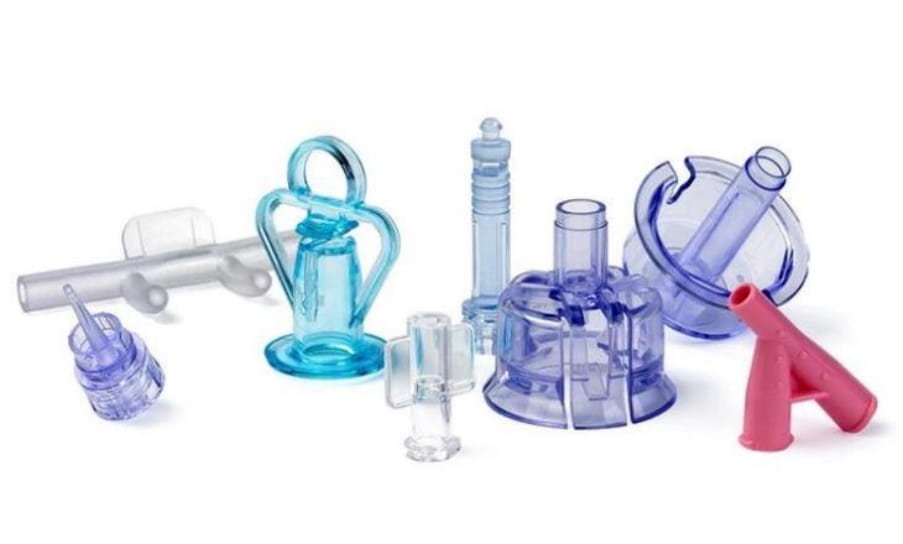
The process of medical injection molding edges out similar production procedures in the industry. With its smooth and seamless operation, there are numerous advantages the process offers, and they include but are not limited to:
A Wide Range of Material Choices
The injection molding procedure offers the widest range of options for choosing materials. Although medical injection molding narrows the scope of injection molding materials, there are still many materials that are suitable for manufacturing medical-grade components. We’ll touch on that more in the later parts of this guide.
Cost-Efficiency
The way the medical plastic injection process is set up helps cut unnecessary injection molding costs — massive production deliveries and high-volume manufacturing help to maximize the process. Hence, whenever there is an extraordinary volume of medical injection parts being produced, the injection molding process can reduce the cost per part.
Durability
A known fact about plastics used in injection molding is that it is ruggedly durable. These materials provide dogged strength and resistance to adverse environments and usage. Therefore, the products of this process can comfortably withstand heat, blunt force, and vibration without any incidence of cracks or breakages. Also, when they undergo sterilization in autoclaves, they don’t cave to the heat.
Exceptional Accuracy
In the process of plastic injection for the medical device industry, exceptional accuracy is a must. Due to the tight tolerance margin, every inch, millimeter, or centimeter count can influence the whole molding development. Besides, it is essential to use skilled injection molding facilities to achieve this high-level accuracy.
Resistance to Contaminants
The materials utilized in this production process easily withstand the invasion of contaminates. Also, they don’t need much sterilization to stay germ-free. Because of this factor, the material easily meets the FDA standards and other stipulated requirements.
Plastic Injection Molding Application in the Medical Device Industry
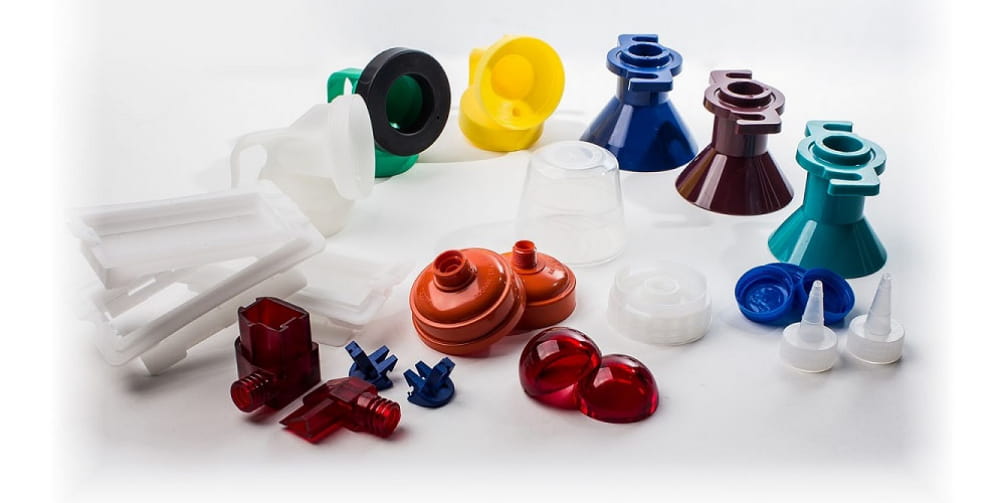
The application of plastic molding injection in the medical device industry is diverse. Medical suppliers go for this process as the products easily attain the stipulated standards of quality and safety. Besides, medical device plastic injection molding comes in handy in areas like:
Equipment for Dental X-ray
Orthopedics
Components and equipment for drug delivery
Lab supplies like test tubes, beakers, and other containers
Prep equipment for surgery and surgical implements
Housings, casings, and enclosures for medical and lab equipment
The Materials Used in Medical Injection Parts
The medical injection molding process uses a vast range of material options to manufacture medical and pharmaceutical parts. There are various plasticinjection molding materials used that give the process high efficiency. Some of them are:
Polypropylene (PP): This is one of the most used plastics in the industry, thanks to its ruggedness and durability. Polypropylene contains strong chemical bonds that make a better material in manufacturing medical devices like beakers and test tubes.
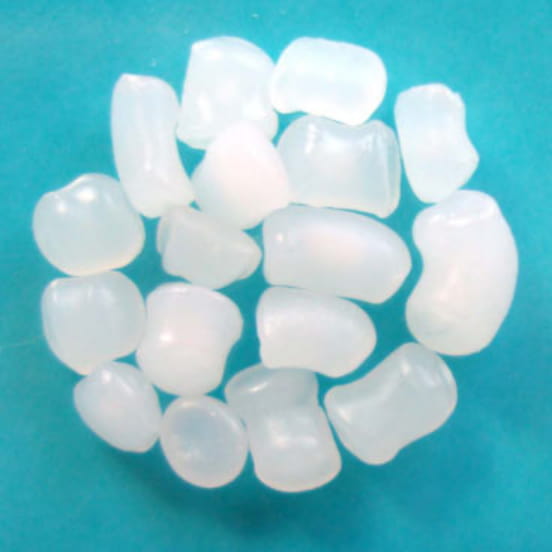
Polyethylene (PE): This material is the main component of the thermoplastic industry. It comprises numerous industrial and commercial mechanical parts with varying levels of rigidity. It comes in many variations with different durability levels, some of which are LDPE< HDPE and UHMV. The UMHV is a part of most prosthetics for the hip, leg, and other joints.

Polystyrene (PS): This is a rugged plastic that has almost no elasticity. It is not flexible and exhibits a high level of impact resistance and machinability. Used mostly on easily customizable surfaces, it comes with good dimensional stability and works great on aesthetics.

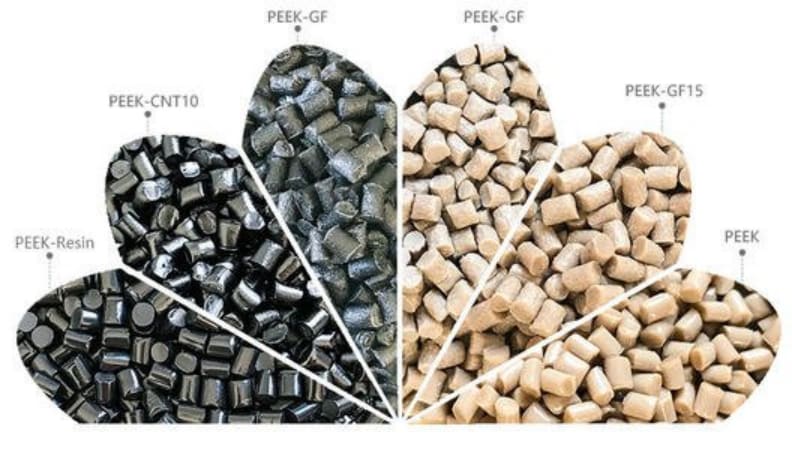
Polyetheretherketone (PEEK): It is a thermoplastic known for its high performance and outstanding mechanical properties. It comes with a high-grade resistance to wear, radiation, tracking, and thermal degradation.
Silicone: This is a go-to material when flexibility is a top need in components of medical devices. Its ability to make the parts greatly durable and biocompatible is second to none in the industry. It is also affordable and reduces costs in high-volume productions.

Considerations When Selecting Materials for Medical Plastic Molding
The process of plastic injection molding for medical devices is critical, with a high probability of failure. Thus, there are some factors one needs to consider before and during the design, planning, and operational procedure. They include:
FDA Requirements
For medical component manufacturing, FDA requirements are the standards to aim at in all processes. The regulations for sterility and cleanliness are stringent and require strict observance. In all the stages of productions, ensure all inputs meet or surpass the laid down standards. For medical-grade approval, the factory must pass the standards in the components and production process.
Withstand Sterilization Processes
A minimal need for medical products but is important. All housing equipment or facility, or device parts that come in contact with the human body must be contaminant-resistant. They should also go through sterilization processes without damage.
Operational Environment
The ability to withstand adverse conditions is a crucial consideration for plastic molding materials. They must be reliable and durable when subjected to heat, corrosives, liquid, vibrations, and other human body movements. Most of the plastics used in this process come out tops in this requirement.
Durability and Strength
There should be no breakable plastics in manufacturing devices to avoid or minimize biohazards in the medical field. Hence, each selected material should have a satisfactory durability index before being put to use. More so, they should be able to exhibit a high level of tensile strength.
General Use
Always consider the material’s area of use before selection. For instance, single-use materials like syringes, needles, tubing, and connectors should be transparent, flexible, and easy to sterilize. Likewise, surgical injection parts should be lightweight and ergonomic.
Common Types of Injection Molding Techniques Used to Manufacture Medical Device
Manufactures providing injection molding services use different plastic molding techniques to produce medical-grade parts. But here, we will be looking at the 4 common types, which include:
Thin wall molding
Gas-Assisted Injection Molding
Metal Injection Molding
Liquid Silicone Injection Molding
Thin Wall Molding

In plastic injection molding for the medical device industry, thin-wall molding is one of the most common processes. It is for producing tools or effects that involve both function and patient comfort. The walls of the injection parts of the medical device are much thinner relative to the complete pieces. The walls are usually thinner than 1mm.
Equipment made in this manner has a high requirement for its material. While the walls are thin, the device or tool maintains its integrity and durability to an extent. As a result of these requirements, its base materials tend to be plastic (especially LCP or Polypropylene, or even nylon).
The materials used in production are greatly dependent on the object being made. These molds (prototypes) go through extensive rounds of testing to ensure their usability.
Devices produced with this injection molding type include wearable devices, surgical tools, and catheter ablation tools.
Gas-Assisted Injection Molding
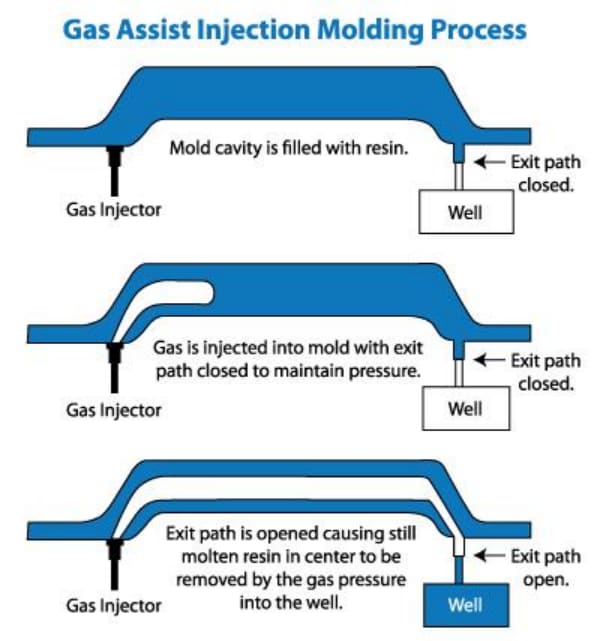
This is a more complicated molding type. When carrying out regular molding, the thicker parts tend to dry or solidify slower than the thinner walls. The reason is that there isn’t enough pressure to pack the resin properly and make it even.
As a result, the resin ends up looking misshapen, ugly, and weaker structurally than it should due to the sink marks. Gas-assisted injection molding is the solution to this problem of making plastic injection molding medical parts.
The process involves running gas through the channels built into the mold. The gas (Nitrogen gas) passes through the middle of these thicker sections. Also, this creates the pressure necessary to press the resin tightly against the mold, making a smooth, structurally sound part with zero sink marks.
The gas-assisted injection molding method is not suitable for creating tools with sharp corners in their design, because gas pressure will reduce if it doesn’t flow in a straight line. However, this type is more suitable for producing complex parts.
Metal Injection Molding
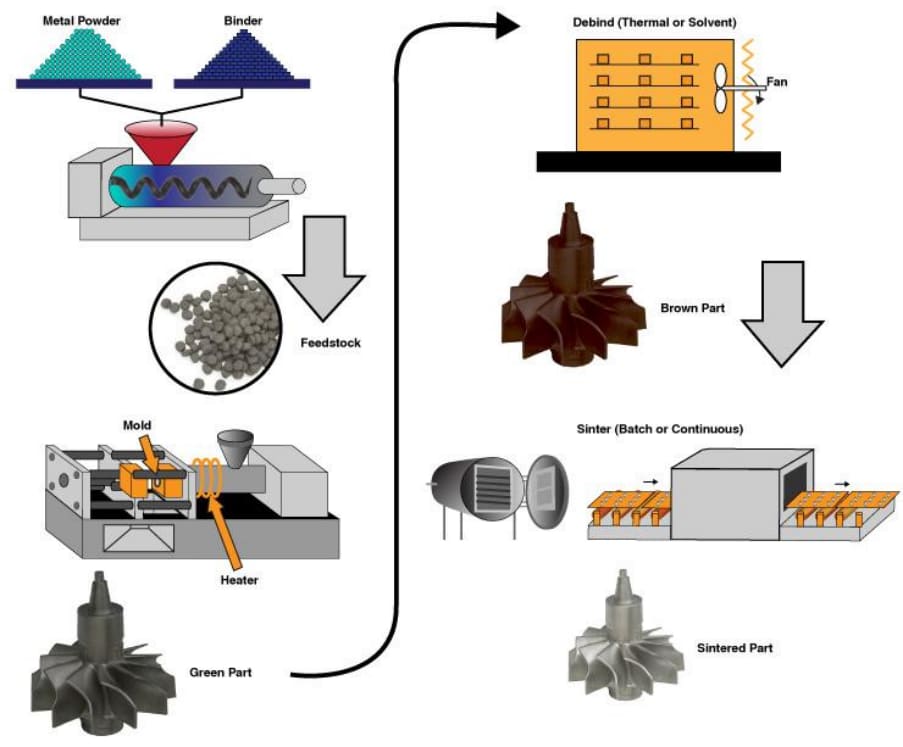
The use of metal in medical device manufacturing is a technique that we cannot overlook. The reason is that metal equipment plays a significant role when it needs equipment with high density, small size, and maneuverability. This doesn’t detract from the numerous uses and advantages of traditional 3D printing, medical plastic molding, or gas-assisted molding.
Generally, atomization technology creates a powder mix from the desired metals. This powder is made into a pellet (feedstock), which includes a binding agent that makes it easier to mold.
After injection comes the removal of the binding agent through various means, including solvent, a catalytic process, thermal furnaces, or even a combination of these methods. This leaves behind injection parts with a 100% density at the end.
Liquid Silicone Injection Molding
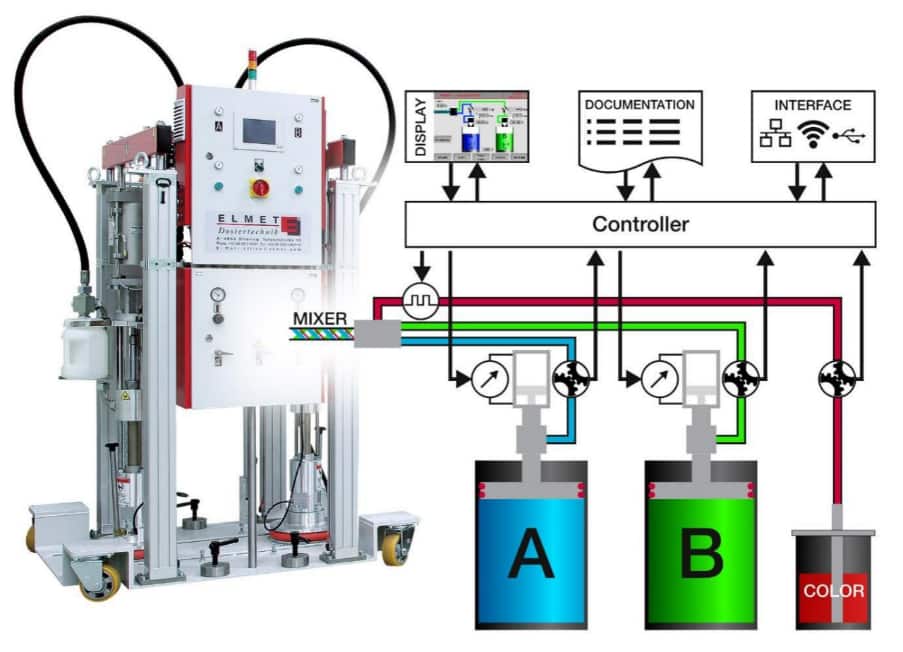
Some medical devices like tubes and respiratory masks are quite difficult to keep hygienic. So, liquid silicone injection molding is generally the most suitable in producing equipment like these.
The strict requirements of this process require a hygienic environment for production. This environment ensures that no ambient air, dust, or moisture settles on the mold or mixture while it sets. The rubber-like substance produced through this process is highly chemical resistant.
Silicone doesn’t react with biological tissue, making it even more suitable to implant it safely. However, this injection molding process requires many steps. This is also dependent on the properties expected of the resultant silicone product.
Conclusion
The innovative medical injection molding process is a ground-breaking invention that has swept through the industry. The manufacturing of medical injection parts not only satisfies laid down industry standards but makes the usage process smooth. This article explained some of the rudiments of the process and other important details.
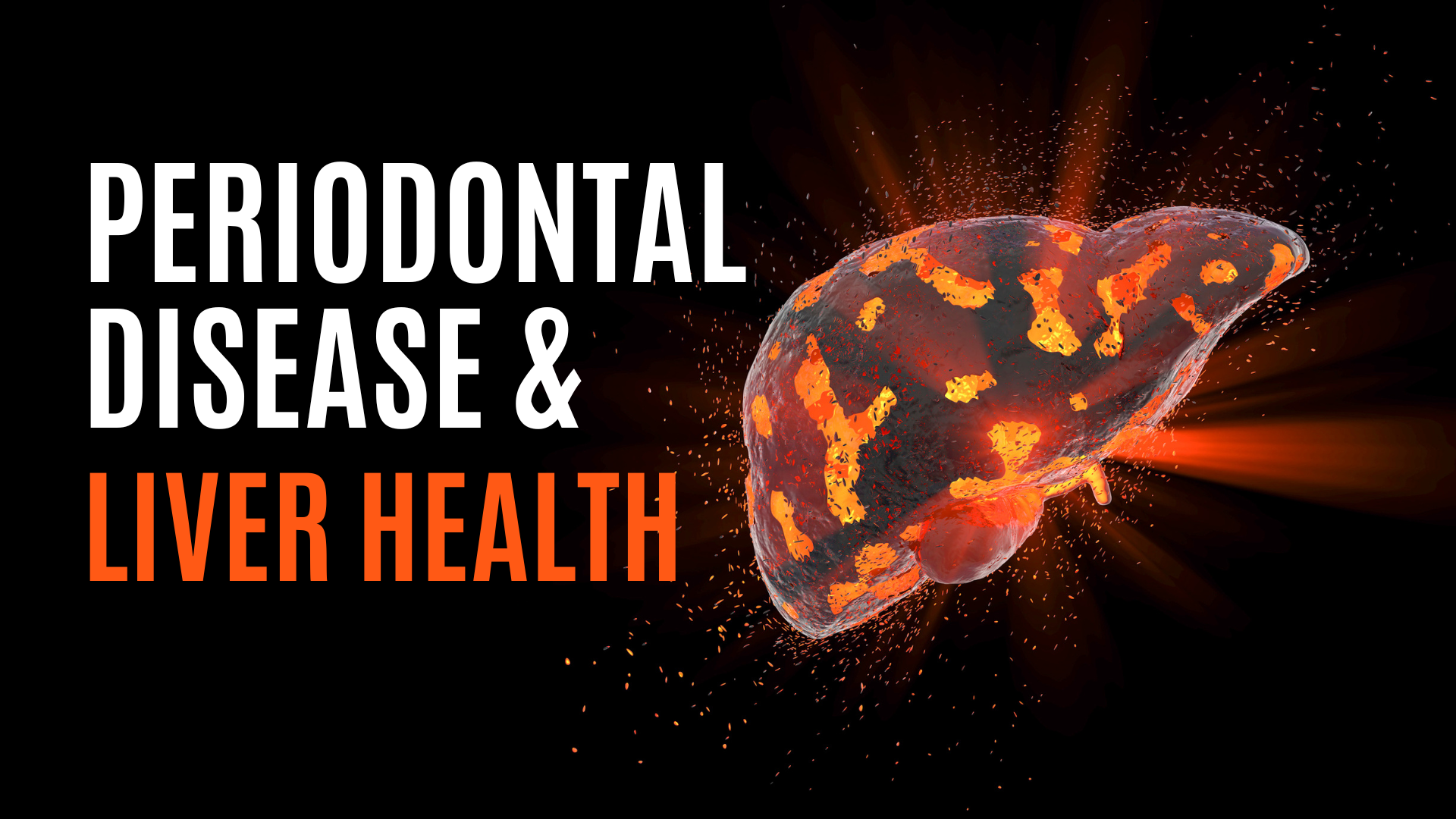
Periodontal disease, a prevalent oral health condition, has long been recognized as a significant concern due to its impact on the gums and supporting structures of the teeth. However, recent research has uncovered a potential link between periodontal disease and liver health, opening up new avenues of exploration in understanding the interplay between oral and systemic well-being. This article aims to delve into this intriguing connection and shed light on the implications it may have for individuals’ overall health.
Oral health has increasingly been recognized as an integral part of general health, with evidence highlighting its influence on various systemic conditions, including cardiovascular disease, diabetes, and pregnancy outcomes. As researchers continue to uncover the intricate relationships between oral health and overall well-being, the potential link between periodontal disease and liver health has emerged as an area of great interest.
The liver, a vital organ responsible for numerous critical functions, plays a central role in maintaining overall health and homeostasis. It is involved in detoxification, metabolism, the production of essential proteins, and the regulation of various metabolic processes. Liver diseases, such as non-alcoholic fatty liver disease (NAFLD) and liver cirrhosis, can have far-reaching consequences on a person’s health and well-being.
The association between periodontal disease and liver health stems from the shared underlying factor of chronic inflammation. Periodontal disease is characterized by the chronic inflammatory response triggered by the presence of bacteria and plaque in the gums. This inflammatory response can extend beyond the oral cavity and potentially impact other parts of the body, including the liver.
Emerging research suggests that the chronic inflammation associated with periodontal disease may contribute to liver inflammation and the development or progression of liver diseases. For example, studies have found an association between periodontal disease and an increased risk of NAFLD, a condition characterized by the accumulation of fat in the liver. Additionally, chronic inflammation has been implicated in the development and progression of liver cirrhosis, although more research is needed to establish a direct link with periodontal disease.
Understanding the potential connection between periodontal disease and liver health is crucial for comprehensive healthcare strategies. It highlights the need for a holistic approach to health, considering the interplay between oral health and systemic well-being. By promoting good oral hygiene practices and addressing periodontal disease, individuals may potentially reduce the risk of liver-related complications and improve their overall health outcomes.
In this article, we will delve deeper into the research surrounding the link between periodontal disease and liver health. We will explore the potential mechanisms underlying this connection, discuss the role of chronic inflammation, and examine the influence of the gut-liver axis. Additionally, we will explore preventive measures, management strategies, and the importance of interdisciplinary collaboration in addressing this intriguing association.
By understanding the link between periodontal disease and liver health, we can strive towards a more integrated approach to healthcare, recognizing the interconnectedness of various bodily systems and their impact on overall well-being.
Understanding Periodontal Disease
Periodontal disease, also known as gum disease, is a chronic inflammatory condition caused by the buildup of plaque, a sticky film of bacteria that forms on the teeth. If not effectively removed through proper oral hygiene practices, plaque can harden into tartar and lead to inflammation of the gums. In advanced stages, periodontal disease can cause damage to the tissues and bones supporting the teeth, ultimately leading to tooth loss if left untreated.
What are the signs and symptoms of gum?
The Liver’s Vital Role
The liver is an essential organ responsible for various critical functions in the body. It plays a crucial role in detoxification, metabolism, nutrient storage, and the production of bile, among other functions. It is also involved in the regulation of blood sugar levels, cholesterol metabolism, and the synthesis of important proteins.
Prevalence of liver diseases in the United States
Non-Alcoholic Fatty Liver Disease (NAFLD) and Non-Alcoholic Steatohepatitis (NASH):
NAFLD: Estimated to affect around 25-30% of the general population, translating to approximately 80-100 million individuals
NASH: Estimated to impact 3-12% of adults in the United States, corresponding to around 15-30 million individuals
Chronic Hepatitis B and C:
Chronic Hepatitis C: It is estimated that approximately 2.4 million individuals are living with chronic hepatitis C, which corresponds to around 0.7% of the U.S. population
Chronic Hepatitis B: Around 850,000 people are estimated to have chronic hepatitis B, representing approximately 0.3% of the population
Alcoholic Liver Disease:
Alcoholic Cirrhosis: Alcoholic cirrhosis affects a subset of individuals with excessive alcohol consumption, with estimates varying widely. It is challenging to provide a specific percentage due to the complex relationship between alcohol consumption patterns and liver disease.
Liver Cancer:
Liver cancer, including hepatocellular carcinoma, is estimated to account for approximately 3.4% of all cancer cases in the United States
Autoimmune Liver Diseases:
The prevalence of autoimmune liver diseases, including autoimmune hepatitis, primary biliary cholangitis (PBC), and primary sclerosing cholangitis (PSC), varies. These conditions are relatively less common compared to other liver diseases.
304 million
People worldwide have liver disease
The Potential Connection
Emerging research suggests that there may be a relationship between periodontal disease and liver health. Chronic inflammation is a common characteristic of both conditions and is thought to be a key factor linking them together. The inflammation associated with periodontal disease can potentially trigger systemic inflammation, which may impact the liver and contribute to the development or progression of liver diseases.
Source: https://doi.org/10.1111/prd.12427
Liver Cirrhosis
Liver cirrhosis is a late-stage scarring of the liver that can result from various causes, including chronic inflammation and liver disease. While research on the direct link between periodontal disease and cirrhosis is limited, chronic inflammation, a shared feature between the two conditions, may play a role in the development and progression of cirrhosis. Further studies are needed to explore this potential association more comprehensively.
Liver cirrhosis and gum disease, such as periodontal disease, may appear unrelated at first glance, but there are potential underlying connections and shared risk factors between these two conditions.
Chronic Inflammation: Chronic inflammation is a common characteristic of both liver cirrhosis and gum disease. In liver cirrhosis, chronic inflammation occurs due to long-term liver damage and the resulting attempts at tissue repair. Similarly, in gum disease, chronic inflammation arises from the body’s immune response to the bacterial infection in the gums. This shared chronic inflammatory response suggests a potential link between the two conditions.
Immune System Dysfunction: Both liver cirrhosis and gum disease involve immune system dysfunction. In liver cirrhosis, the liver’s ability to detoxify the blood and regulate the immune response is compromised. This can lead to systemic immune dysregulation, affecting various parts of the body, including the gums. In gum disease, the immune system’s response to oral bacteria can become dysregulated, leading to chronic inflammation and tissue damage.
Shared Risk Factors: Liver cirrhosis and gum disease share certain risk factors, including:
Alcohol Abuse: Excessive alcohol consumption is a well-known risk factor for both liver cirrhosis and gum disease. Alcohol can directly damage liver cells and compromise the immune response, leading to liver damage and inflammation. Additionally, alcohol can contribute to gum disease by promoting bacterial growth in the mouth and impairing the healing process.
Poor Oral Hygiene: Inadequate oral hygiene practices, such as infrequent brushing and flossing, can contribute to the development of gum disease. Poor oral hygiene allows plaque buildup, which contains harmful bacteria, to accumulate on the teeth and gums. These bacteria can trigger an inflammatory response, leading to gum disease. Additionally, poor oral hygiene may contribute to the development of systemic infections, which can further impact liver health in individuals with cirrhosis.
Smoking: Smoking is a risk factor for both liver cirrhosis and gum disease. Smoking compromises blood flow to the liver and impairs its ability to regenerate. Similarly, smoking reduces blood flow to the gums, impairs the immune response, and increases the risk of gum disease.
Diabetes: Individuals with diabetes have an increased risk of both liver cirrhosis and gum disease. Diabetes affects the body’s ability to regulate blood sugar levels and increases the risk of developing infections, including gum infections. Uncontrolled diabetes can also contribute to liver damage and the development of cirrhosis.
It is important to note that while there may be associations and shared risk factors between liver cirrhosis and gum disease, the causal relationship between the two conditions is still being investigated. Further research is needed to better understand the underlying mechanisms connecting these two conditions and the potential impact of oral health on liver health and vice versa.
Gut-Liver Axis
The gut-liver axis is a bidirectional communication pathway between the gut and the liver. This pathway allows the two organs to communicate with each other and coordinate their functions. The gut-liver axis is important for maintaining liver health, and it can be disrupted by a variety of factors, including periodontal disease.
Periodontal disease is a chronic inflammatory condition of the gums. It is caused by the buildup of plaque, a sticky film of bacteria, on the teeth. If plaque is not removed, it can harden into tartar and cause the gums to recede. This can lead to inflammation, bone loss, and tooth loss.
Periodontal disease can disrupt the gut-liver axis in a number of ways. First, bacteria from the mouth can enter the bloodstream and travel to the liver. Once in the liver, these bacteria can trigger an immune response that leads to inflammation. Inflammation can damage liver cells and lead to the development of liver disease.
Second, periodontal disease can alter the composition of the gut microbiota, the community of bacteria that live in the gut. A healthy gut microbiota is important for maintaining liver health. When the gut microbiota is disrupted, it can lead to inflammation and liver damage.
Third, periodontal disease can increase the risk of developing non-alcoholic fatty liver disease (NAFLD). NAFLD is a condition in which fat builds up in the liver. It is a major risk factor for cirrhosis and liver cancer.
There is some evidence that treating periodontal disease can improve liver health. One study found that treating periodontal disease was associated with improvements in liver function tests in patients with NAFLD. Another study found that treating periodontal disease was associated with a lower risk of developing cirrhosis in patients with hepatitis C.
More research is needed to fully understand the link between periodontal disease and liver health. However, the evidence suggests that periodontal disease is a risk factor for liver disease and that treating periodontal disease may improve liver health.
The Liver’s Vital Role
The liver is an essential organ responsible for various critical functions in the body. It plays a crucial role in detoxification, metabolism, nutrient storage, and the production of bile, among other functions. It is also involved in the regulation of blood sugar levels, cholesterol metabolism, and the synthesis of important proteins.
Conclusion
While further research is needed to fully understand the link between periodontal disease and liver health, the emerging evidence suggests a potential association. Chronic inflammation shared risk factors, and the influence of the gut-liver axis are all factors that warrant continued investigation. By prioritizing oral hygiene, seeking regular dental care, and adopting a healthy lifestyle, individuals can potentially reduce
To provide the best experiences, we use technologies like cookies to store and/or access device information. Consenting to these technologies will allow us to process data such as browsing behavior or unique IDs on this site. Not consenting or withdrawing consent, may adversely affect certain features and functions.
Functional
Always active
The technical storage or access is strictly necessary for the legitimate purpose of enabling the use of a specific service explicitly requested by the subscriber or user, or for the sole purpose of carrying out the transmission of a communication over an electronic communications network.
Preferences
The technical storage or access is necessary for the legitimate purpose of storing preferences that are not requested by the subscriber or user.
Statistics
The technical storage or access that is used exclusively for statistical purposes.The technical storage or access that is used exclusively for anonymous statistical purposes. Without a subpoena, voluntary compliance on the part of your Internet Service Provider, or additional records from a third party, information stored or retrieved for this purpose alone cannot usually be used to identify you.
Marketing
The technical storage or access is required to create user profiles to send advertising, or to track the user on a website or across several websites for similar marketing purposes.