One way of producing durable and reliable medical-grade components that meet FDA standards is through medical injection molding. The process is now the go-to procedure for manufacturing state-of-the-art medical equipment because it offers countless advantages.
Think of the best laboratory facility and medical devices, made with top quality finish, and it's undoubtedly through the medical plastic molding process. One good thing about the procedure is that it is both cost-efficient and delivers with exceptional accuracy and consistency. Besides, it comes in handy when the volume of productions is high and requires a masterpiece level of construction.
With the level of results of this process, it's no surprise that it serves as the medical prototype development approval process for the FDA. Here, we explain what this medical injection molding process entails and its role in the medical industry.
Advantages of Plastic Injection Molding for Medical Parts
The process of medical injection molding edges out similar production procedures in the industry. With its smooth and seamless operation, there are numerous advantages the process offers, and they include but are not limited to:
A Wide Range of Material Choices
The injection molding procedure offers the widest range of options for choosing materials. Although medical injection molding narrows the scope of injection molding materials, there are still many materials that are suitable for manufacturing medical-grade components.
Cost-Efficiency
The way the medical plastic injection process is set up helps cut unnecessary injection molding costs — massive production deliveries and high-volume manufacturing help to maximize the process. Hence, whenever there is an extraordinary volume of medical injection parts being produced, the injection molding process can reduce the cost per part.
Durability
A known fact about plastics used in injection molding is that it is ruggedly durable. These materials provide dogged strength and resistance to adverse environments and usage. Therefore, the products of this process can comfortably withstand heat, blunt force, and vibration without any incidence of cracks or breakages. Also, when they undergo sterilization in autoclaves, they don't cave to the heat.
Exceptional Accuracy
In the process of plastic injection for the medical device industry, exceptional accuracy is a must. Due to the tight tolerance margin, every inch, millimeter, or centimeter count can influence the whole molding development. Besides, it is essential to use skilled injection molding facilities to achieve this high-level accuracy.
Resistance to Contaminants
The materials utilized in this production process easily withstand the invasion of contaminates. Also, they don't need much sterilization to stay germ-free. Because of this factor, the material easily meets the FDA standards and other stipulated requirements.
Plastic Injection Molding Application in the Medical Device Industry
The application of plastic molding injection in the medical device industry is diverse. Medical suppliers go for this process as the products easily attain the stipulated standards of quality and safety. Besides, medical device plastic injection molding comes in handy in areas like:
- Equipment for Dental X-ray
- Orthopedics
- Components and equipment for drug delivery
- Lab supplies like test tubes, beakers, and other containers
- Prep equipment for surgery and surgical implements
- Housings, casings, and enclosures for medical and lab equipment
The Materials Used in Medical Injection Parts
The medical injection molding process uses a vast range of material options to manufacture medical and pharmaceutical parts. Some of them are:
Polypropylene (PP)
One of the most used plastics in the industry, thanks to its ruggedness and durability. Contains strong chemical bonds that make a better material in manufacturing medical devices like beakers and test tubes.
Polyethylene (PE)
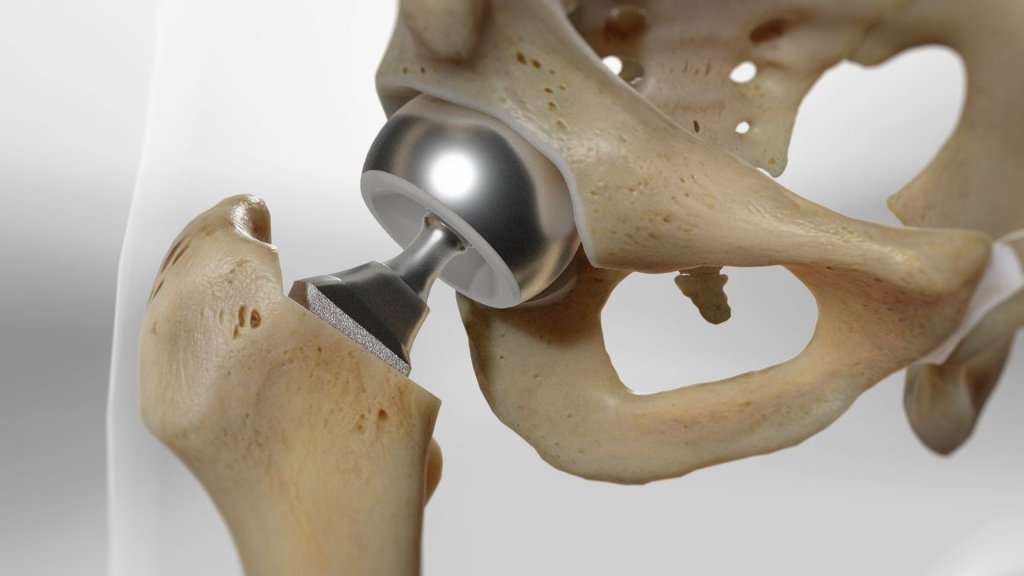
The main component of the thermoplastic industry. Comprises numerous industrial and commercial mechanical parts with varying levels of rigidity. Comes in many variations — LDPE, HDPE, and UHMV. The UHMV is a part of most prosthetics for the hip, leg, and other joints.
Polystyrene (PS)
A rugged plastic that has almost no elasticity. Not flexible and exhibits a high level of impact resistance and machinability. Comes with good dimensional stability and works great on aesthetics.
Polyetheretherketone (PEEK)
A thermoplastic known for its high performance and outstanding mechanical properties. Comes with a high-grade resistance to wear, radiation, tracking, and thermal degradation.
Silicone
The go-to material when flexibility is a top need in components of medical devices. Its ability to make the parts greatly durable and biocompatible is second to none in the industry. Also affordable and reduces costs in high-volume productions.
Considerations When Selecting Materials for Medical Plastic Molding
The process of plastic injection molding for medical devices is critical, with a high probability of failure. Thus, there are some factors one needs to consider before and during the design, planning, and operational procedure:
FDA Requirements
For medical component manufacturing, FDA requirements are the standards to aim at in all processes. The regulations for sterility and cleanliness are stringent and require strict observance. In all the stages of productions, ensure all inputs meet or surpass the laid down standards.
Withstand Sterilization Processes
All housing equipment or facility, or device parts that come in contact with the human body must be contaminant-resistant. They should also go through sterilization processes without damage.
Operational Environment
The ability to withstand adverse conditions is a crucial consideration for plastic molding materials. They must be reliable and durable when subjected to heat, corrosives, liquid, vibrations, and other human body movements.
Durability and Strength
There should be no breakable plastics in manufacturing devices to avoid or minimize biohazards in the medical field. Hence, each selected material should have a satisfactory durability index and exhibit a high level of tensile strength.
General Use
Always consider the material's area of use before selection. For instance, single-use materials like syringes, needles, tubing, and connectors should be transparent, flexible, and easy to sterilize. Likewise, surgical injection parts should be lightweight and ergonomic.
Common Types of Injection Molding Techniques Used to Manufacture Medical Devices
Manufacturers providing injection molding services use different plastic molding techniques to produce medical-grade parts. The 4 common types include:
Thin Wall Molding
One of the most common processes in plastic injection molding for the medical device industry. Used for producing tools or effects that involve both function and patient comfort. The walls of the injection parts are much thinner relative to the complete pieces — usually thinner than 1mm. Devices produced with this type include wearable devices, surgical tools, and catheter ablation tools.
Gas-Assisted Injection Molding
A more complicated molding type. The process involves running nitrogen gas through channels built into the mold, creating the pressure necessary to press the resin tightly against the mold, making a smooth, structurally sound part with zero sink marks. More suitable for producing complex parts.
Metal Injection Molding
The use of metal in medical device manufacturing is significant when high density, small size, and maneuverability are required. Atomization technology creates a powder mix from the desired metals, made into a pellet (feedstock). After injection, the binding agent is removed, leaving behind injection parts with 100% density.
Liquid Silicone Injection Molding
Generally the most suitable for producing equipment like tubes and respiratory masks. Requires a hygienic environment for production to ensure no ambient air, dust, or moisture settles on the mold. The rubber-like substance produced is highly chemical resistant. Silicone doesn't react with biological tissue, making it suitable for safe implantation.
Conclusion
The innovative medical injection molding process is a ground-breaking invention that has swept through the industry. The manufacturing of medical injection parts not only satisfies laid down industry standards but makes the usage process smooth. This article explained some of the rudiments of the process and other important details.
Reference: Medical Injection Molding: Plastic Molding for Medical Device Industry — rapiddirect.com